
Why the Best design is Invisible
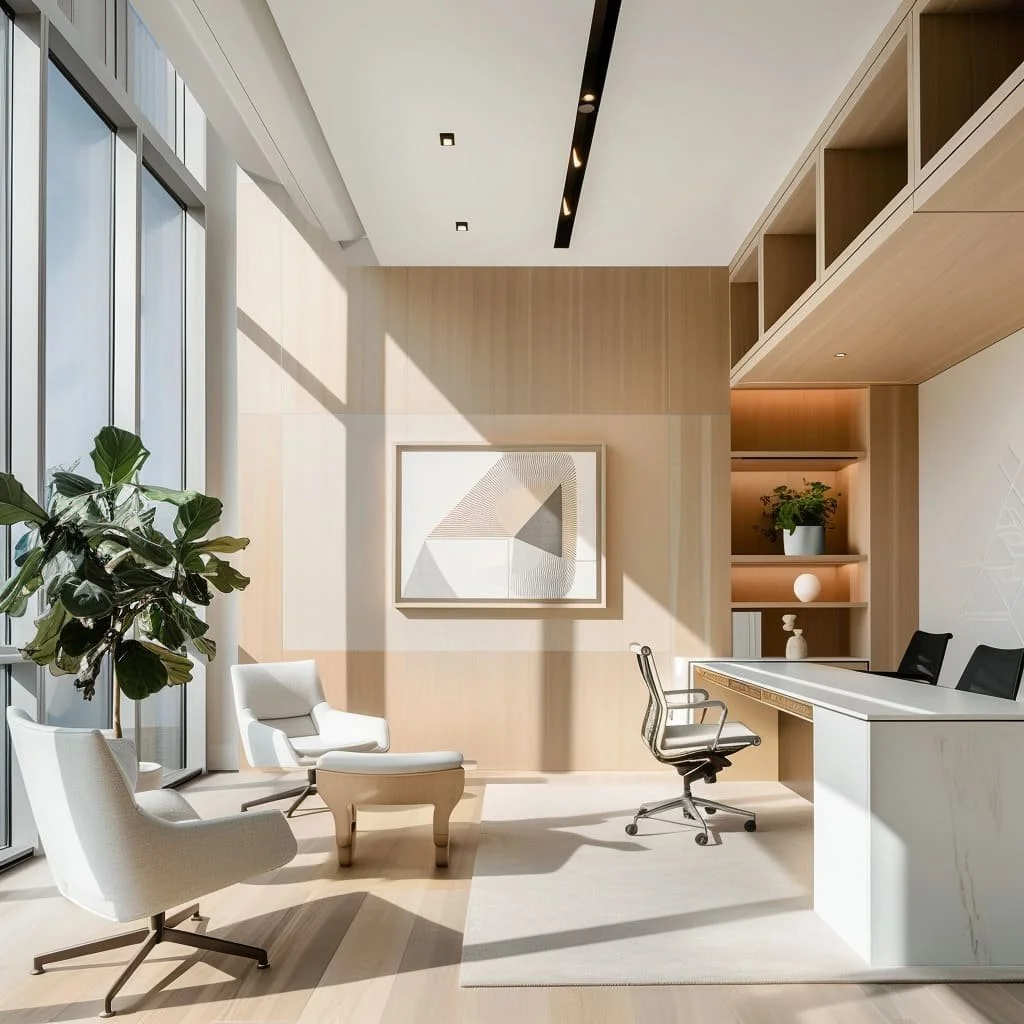
In commercial interior design, the most successful environments are often the ones people don’t consciously notice. They feel intuitive, calm, and easy to move through. The space supports activity, interaction, and experience without drawing attention to itself.
That’s because the best design is invisible.
Invisible design doesn’t mean neutral or minimal. It means every decision has been made with intention — and then quietly steps out of the way.
Invisible Design Removes Friction
People usually become aware of design when something isn’t working.
In poorly designed environments — whether workplaces, hospitality spaces, wellness settings, or care facilities — users experience small but constant interruptions:
awkward circulation
confusing layouts
uncomfortable acoustics
lighting that feels harsh or disorienting
spaces that don’t clearly support their purpose
In well-designed commercial interiors, these moments disappear. The environment feels natural to use. Movement is intuitive. Transitions make sense. People can focus on what they came there to do, rather than navigating the space itself.
Invisible Design Guides Behaviour Without Instruction
The most effective environments don’t rely on signage or explanation. They guide behaviour through spatial cues — proportion, materiality, light, acoustics, and flow.
Across a wide range of interior environments, people instinctively understand:
where to gather
where to pause
where to focus
where to recover
how to move from one experience to the next
This clarity feels effortless to the user, but it is the result of careful observation and a deep understanding of human behaviour in space.
Invisible Design Supports Well-Being and Experience
Invisible design plays a critical role in how people feel within an environment.
Thoughtful interior design considers:
access to natural light
sensory comfort
visual calm
material choices that support both durability and emotional response
These elements don’t call attention to themselves, but they have a meaningful impact on stress levels, comfort, and overall experience. In environments designed for performance, recovery, or care, this quiet support becomes even more important.
Invisible Design Is Highly Intentional
What appears effortless is often the most considered.
Behind invisible design are hundreds of small decisions:
how light changes throughout the day
how sound moves through space
how materials age and are maintained
how environments adapt over time
In strategic commercial interior design, success isn’t measured by how loudly a space announces itself. It’s measured by how well it continues to perform — long after the initial impression fades.
When Design Is Done Right, It Disappears
The most successful environments don’t demand attention. They earn trust through use.
When people say:
“This space just works.”
“It feels easy to be here.”
“Everything feels considered.”
That’s invisible design at work.
In our commercial interior design projects in Calgary, we often see that the spaces clients value most are the ones that quietly support people, experience, and long-term performance — without needing explanation.
Good Design Isn’t Meant to Be Seen — It’s Meant to Work
Invisible design doesn’t mean unimportant design.
It means design that understands people deeply enough to step out of the way.